
Bats and wine. I don’t know about you, but I can’t say they have ever shared the same thought in my head, but new research caught my eye this week, and I just have to share it with you.
As true wine lovers, we appreciate the delicate balance of nature and the meticulous care that goes into crafting a fine drop. In recent years, there has been an increasing focus on sustainable and eco-friendly practices in viticulture. One fascinating area of research that has caught the attention of winegrowers is the role of bats as natural pest controllers. A study conducted by the University of New England sheds light on how these nocturnal creatures can contribute to a thriving ecosystem and help maintain healthy vineyards.

The importance of pest control in vineyards: Maintaining the health and quality of grapevines is a top priority for winemakers. However, vineyards are susceptible to pests such as moths, beetles, and other insects that can damage grape crops and ruin an entire season. Traditional pest control methods often involve the use of pesticides, and we know how much these can damage the environment and biodiversity, and that is where bats come into the picture as an eco-friendly solution.
The role of bats in pest control: Bats are natural predators of many insect species, conveniently this includes those that are harmful to grapevines. These winged watcher have a voracious appetite and can consume a nearly their entire bodyweight of insects in a single night. With that in mind, the University of New England conducted a study in collaboration with local vineyards to investigate the impact of bats on pest control. Between nightly recordings of echolocation call, and examining the leavings in the morning, these fantastic brains seek to find out more about the nocturnal habits in the vineyards.
Benefits of bat-friendly vineyards: Ideally, creating bat-friendly environments in vineyards can have numerous advantages. Not only does it promote natural pest control and reduces reliance on pesticides, minimising potential harm to the ecosystem and improving the overall sustainability of the vineyard. The bats also contribute to pollination by dispersing pollen as they feed on nectar from flowering plants. This could enhance the reproductive success of grapevines and lead to better grape quality.
Implementing bat conservation measures: For any vintner interested in all natural pest control, they could thinks about attracting bats to their vineyards. One effective method for that, is to provide bat roosting sites, such as bat boxes or strategically placed trees, where bats can rest during the day. You can also plant native vegetation, including flowering plants, can also provide a source of food for bats and support a diverse ecosystem. And of course, minimising light pollution and maintaining natural habitats surrounding the vineyard can create an inviting environment for bats.
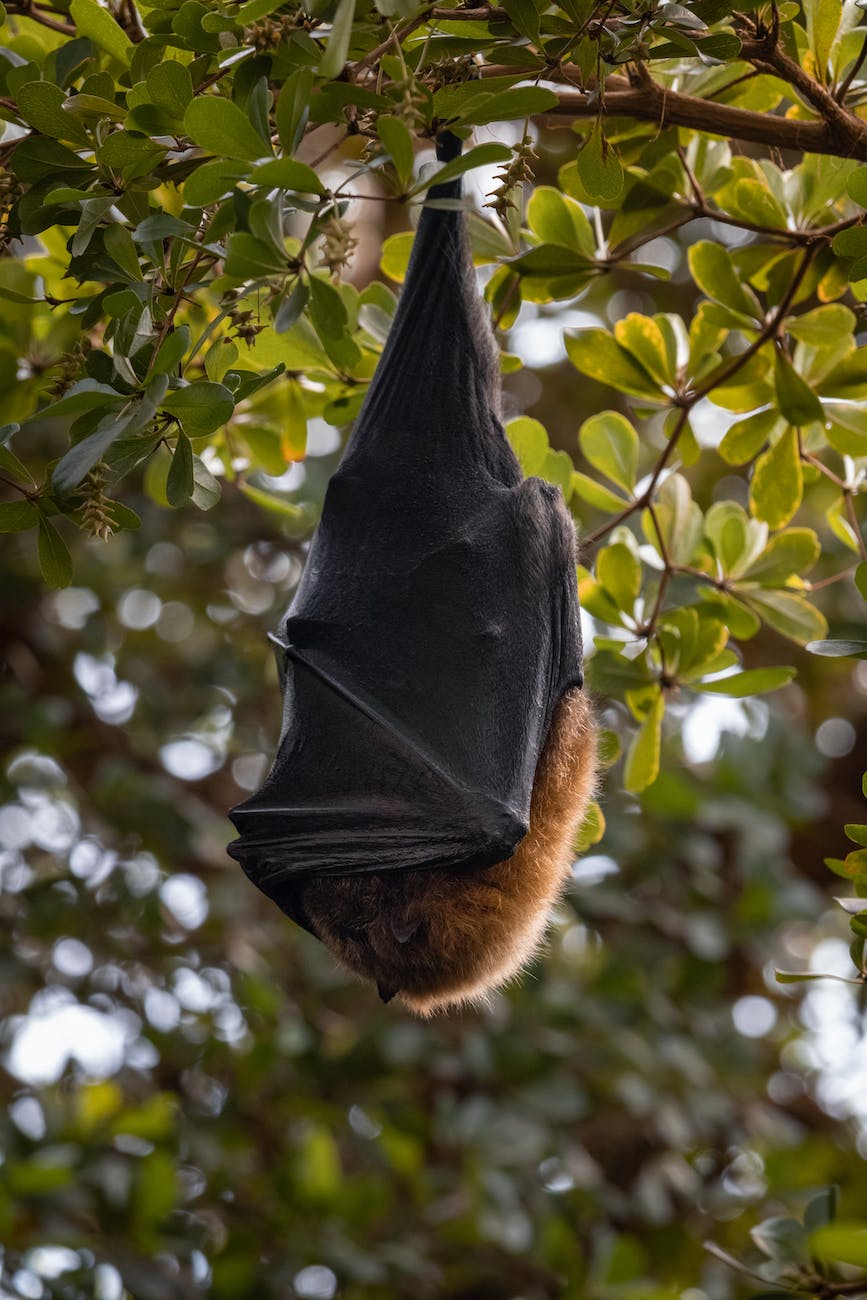
This research from the University of New England highlights the valuable role that bats can play in natural pest control within vineyards. By embracing bat-friendly practices, winegrowers can reduce their reliance on pesticides, enhance biodiversity, and foster a more sustainable approach to grape cultivation. On our side of things, we can support wineries that prioritise environmental stewardship and promote the integration of bats into their vineyard management practices.
Let us raise a glass to the delicate balance of nature and the winged allies that contribute to the beauty of our wines.
Cheers to bat-assisted viticulture!
 The Wog With The Grog Blog